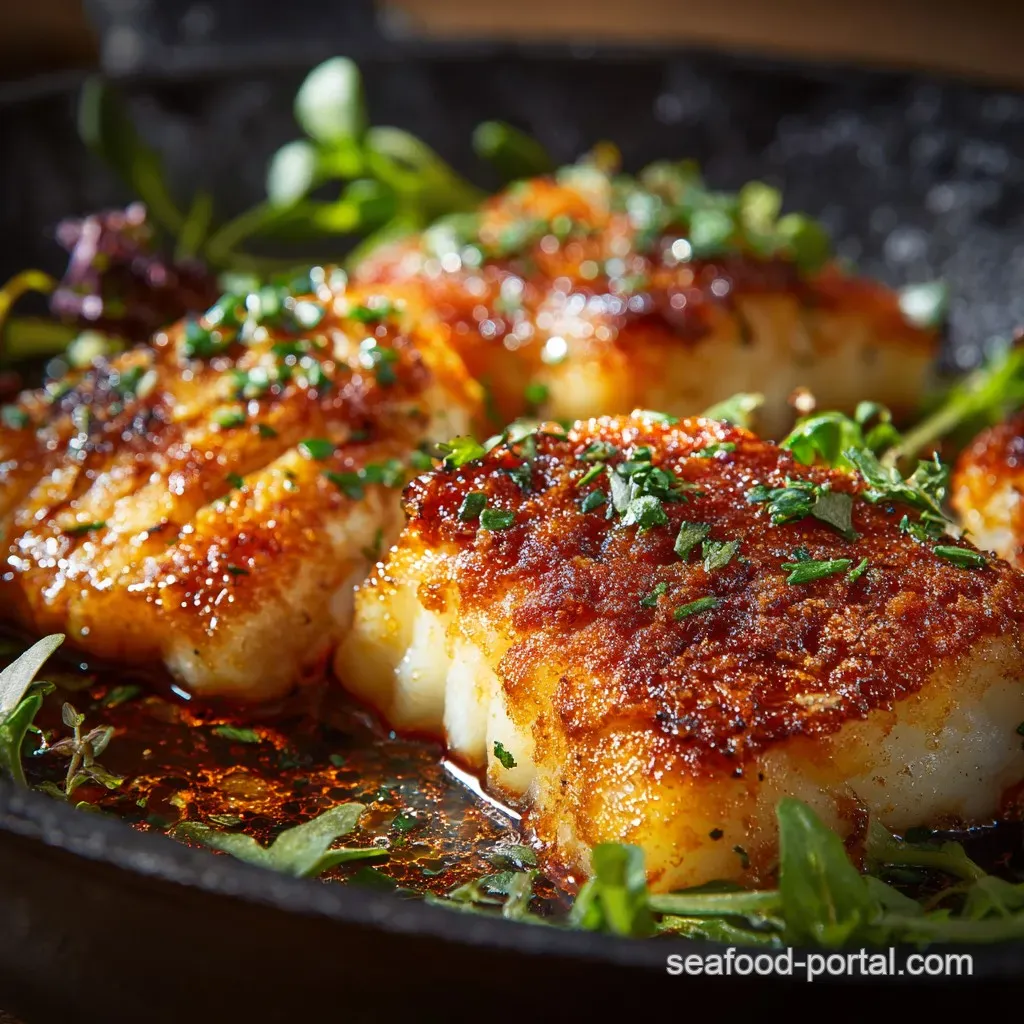
Unlock the Secret to Perfectly Crispy Fried Cod: Golden Flakes, Zero Grease
The unmistakable sizzle of fresh cod hitting hot oil, followed by that deeply savory, almost nutty aroma, is enough to make any seafood lover's mouth water. Envision a crust so exquisitely golden it shatters at the mere touch of a fork, giving way to impossibly steamy, tender, and flaky fish within. This isn't a fantasy reserved for upscale restaurants; it's an achievable reality in your own kitchen. Forget the fear of greasy, heavy batters and oil-soaked fish. We're about to demystify the art of creating perfectly crispy fried cod, ensuring a golden, crunchy exterior and a moist, flavorful interior, every single time. This method combines time-honored wisdom with modern precision, promising a dish that's both comforting and elegantly impressive.
Many shy away from frying fish at home, associating it with messy deep fryers and unpredictable results. But what if we told you that the secret to epic, ultra-crispy fried cod lies not in gallons of oil, but in a simple, precise pan-searing technique? This guide will empower you to transform ordinary cod fillets into a culinary masterpiece – one that’s often faster, healthier, and far more delicious than any takeout option. Get ready to master the delicate balance of heat, timing, and technique that elevates simple fish into a feast for the senses.
The Foundation: Starting with Superior Cod and Flawless Preparation
The journey to an unforgettable plate of crispy fried cod begins long before the oil heats up. The quality of your main ingredient – the cod itself – is paramount. Always opt for the freshest cod available; look for firm, translucent flesh with a mild, ocean-fresh scent. Frozen cod can work beautifully too, provided it's thawed properly in the refrigerator overnight.
Once you have your pristine fillets, the most crucial preparatory step is moisture removal. Excess moisture on the fish's surface is the enemy of crispiness, leading to steam instead of a golden crust.
- Pat It Dry, Then Pat It Again: Place your cod fillets on a clean, absorbent paper towel-lined plate. Gently but firmly pat them dry, then flip and repeat on the other side. Don't be shy here; you want them as dry as possible. Consider letting them air dry for an additional 5-10 minutes on a wire rack if time permits.
- Seasoning Strategy: A light sprinkle of salt and freshly ground black pepper directly onto the fish before coating not only enhances flavor but also helps draw out a little more surface moisture, which can then be blotted away.
- Choosing Your Oil: For frying, select an oil with a high smoke point and neutral flavor. Vegetable oil, canola oil, sunflower oil, or even refined avocado oil are excellent choices. Olive oil's lower smoke point makes it less ideal for the higher temperatures required for crispiness.
Crafting the Perfect Crispy Coating: The Thin, Adherent Secret
The beauty of perfectly fried cod isn't about a thick, heavy batter that can become a greasy sponge. Instead, it's about a light, delicate coating that adheres flawlessly, creating a protective, crispy shell while locking in the fish's natural moisture. Our method prioritizes scientific precision over bulky breading.
Here's how to achieve that coveted, non-greasy crust:
- The Dry Mix: In a shallow dish, whisk together your dry ingredients. This typically includes all-purpose flour, but you can elevate it with a touch of cornstarch or rice flour for extra crispness. Incorporate your chosen seasonings here – think paprika, garlic powder, onion powder, a pinch of cayenne for a subtle kick, and of course, salt and pepper. This allows the flavors to integrate evenly into the crust.
- The Egg Wash: In a separate shallow dish, whisk one or two eggs with a tablespoon of water or milk. This creates the "glue" that binds the dry coating to the fish.
- The Dredging Process:
- Dip each thoroughly dried cod fillet into the egg wash, ensuring it’s completely coated. Let any excess drip off briefly.
- Immediately transfer the fillet to the dry mix. Gently press the fish into the flour mixture, turning to coat all sides evenly.
- Crucial Step: Shake Off Excess! This is vital for a thin, even, and ultimately crispy layer. Lightly tap the fillet against the side of the dish or gently shake it to remove any loose, unadhered flour. A thin coating will crisp beautifully; a thick one risks being pasty or absorbing too much oil.
- The 10-Minute Rest (A Game Changer!): This is a professional tip that often gets overlooked but makes a significant difference. After coating your fillets, let them rest on a wire rack set over a baking sheet for at least 10 minutes (or even up to 20). This resting period allows the moisture from the fish to be absorbed by the coating, effectively creating a "seal." This ensures the coating adheres better during frying, minimizing flaking off and maximizing crispness while locking in the fish’s juiciness.
The Art of Frying: Mastering Heat, Oil, and Timing
This is where the magic happens. Precision in heat control and oil management are the ultimate determinants of crispiness versus greasiness. We are skipping the deep fryer entirely, focusing on a pan-searing method that uses just enough oil to conduct heat efficiently. For more in-depth strategies on achieving that perfect crunch, consider exploring
Mastering Crispy Fried Cod: Essential Tips for a Golden Crunch.
- The Right Pan and Oil Quantity: Use a heavy-bottomed skillet (cast iron or stainless steel works best) that holds heat consistently. Pour in about ½ inch of your chosen high-smoke-point oil. This is enough to create intense browning and crispness without fully submerging the cod, preventing it from becoming oil-logged.
- Temperature is King: Heat the oil over medium-high heat until it reaches 350-375°F (175-190°C). Using a reliable kitchen thermometer is highly recommended here. This temperature range is critical:
- Too low: The fish will absorb oil and become greasy before it has a chance to crisp.
- Too high: The exterior will burn before the interior is cooked through, or the crust will be too dark without full crispness.
If you don't have a thermometer, test the oil by dropping a tiny pinch of your dry coating or a breadcrumb into it. It should sizzle vigorously and brown within 10-15 seconds, but not instantly burn.
- Frying the Cod:
- Carefully place 1-2 coated cod fillets into the hot oil, ensuring not to overcrowd the pan. Overcrowding drops the oil temperature, leading to less crispy results.
- Cook for approximately 3-5 minutes per side, depending on the thickness of your fillets. You'll know it's time to flip when the edges turn opaque and the visible crust is a beautiful, deep golden brown.
- Resist Over-Flipping: Flip the fish only once. Constant flipping disrupts the crust formation and can cause it to break.
- For thicker fillets (over 1 inch), you might need to extend cooking time by 1-2 minutes per side. The fish is done when it flakes easily with a fork and reaches an internal temperature of 145°F (63°C).
- Draining and Serving: Once cooked, immediately transfer the fried cod to a wire rack set over a baking sheet lined with paper towels. This allows any residual oil to drain away, maintaining maximum crispness. Serve hot and fresh for the ultimate experience.
The Final Flourish: Serving Your Golden Fried Cod
The beauty of perfectly crispy fried cod is its versatility. While it shines on its own, a few simple accompaniments can elevate it further. A squeeze of fresh lemon juice is non-negotiable – its acidity cuts through the richness and brightens the flavors. Tartar sauce, a creamy dill sauce, or even a spicy aioli make excellent dipping companions. Pair it with a simple side salad, some roasted vegetables, or classic oven-baked fries for a complete meal. This pan-seared method is so efficient, you can have
Crispy Fried Cod in Under 30 Minutes: Pan-Seared Weeknight Perfection ready for any weeknight dinner.
Practice, as they say, makes perfect. The first time you fry cod using these techniques, pay close attention to the oil's behavior and the fish's transformation. You'll quickly develop an intuitive understanding of the process. The crunch you achieve won't just be a texture; it will be the satisfying culmination of skill, attention to detail, and a commitment to flavor.
Conclusion: Embrace the Crispy Revolution
Say goodbye to heavy, greasy fried fish and hello to a new standard of culinary excellence. By focusing on fresh ingredients, meticulous drying, a light yet adherent coating, and precise temperature control, you can consistently achieve perfectly crispy fried cod that boasts a golden, shattering crust and succulent, flaky interior. This method is a testament to the fact that extraordinary meals don't require complicated equipment or gallons of oil; they simply demand attention to detail and a passion for flavor. So, gather your ingredients, trust the process, and prepare to delight your taste buds with a fried cod experience that is both comforting and genuinely elegant. Your journey to mastering the art of the perfect, non-greasy fried cod starts now!