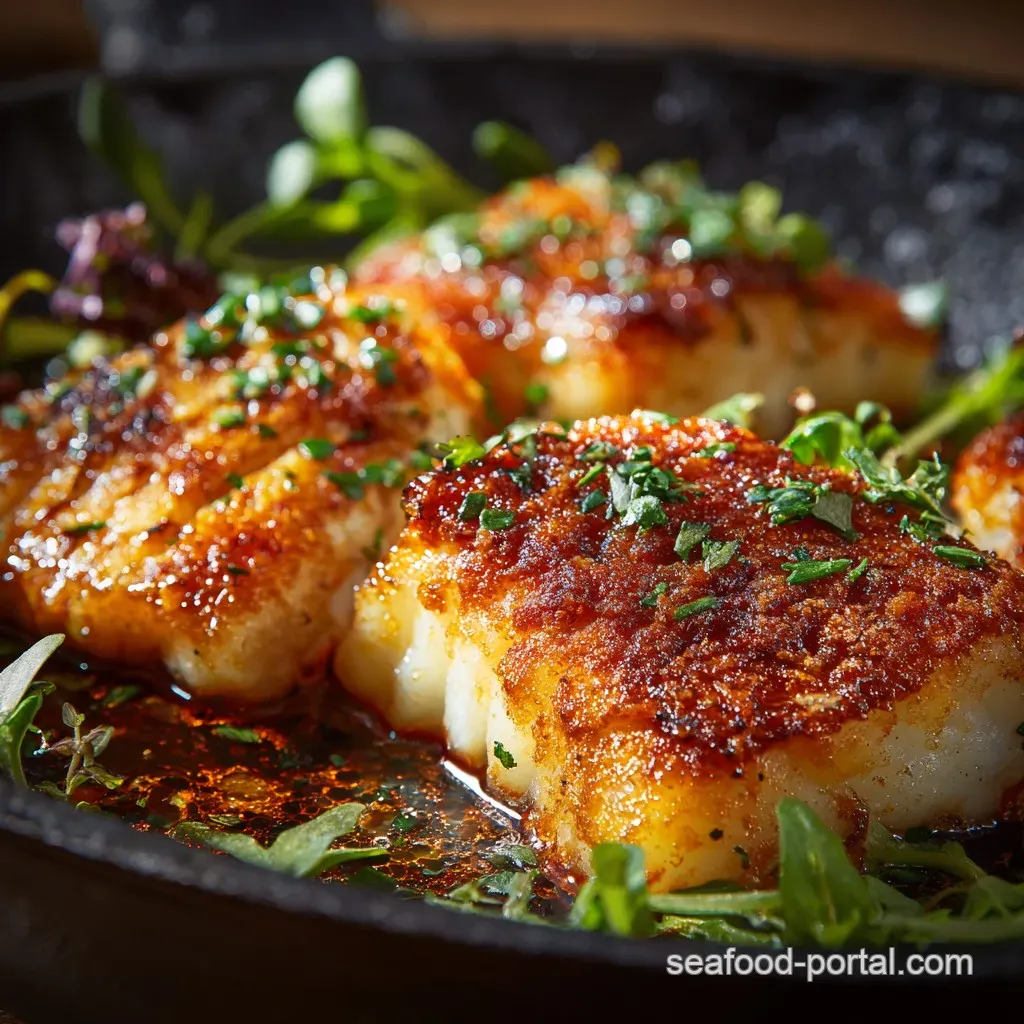
Mastering Crispy Fried Cod: Essential Tips for a Golden Crunch
The unmistakable sizzle of fresh cod meeting hot oil, yielding that deeply savory, almost nutty aroma, is a siren song for any food lover. It’s a promise of a culinary delight: an impossibly steamy, flaky interior encased in a golden-brown, shattering crust. Crispy
fried cod isn't just a meal; it's a feast for the senses, transforming a humble fillet into an unforgettable experience. While often associated with traditional deep-fried fish and chips, achieving this perfect balance of taste and texture is entirely possible at home, even on a busy weeknight, without the need for gallons of oil or complicated techniques. This comprehensive guide will equip you with the essential tips and insights to consistently create perfectly crunchy, juicy
fried cod that will impress every time.
The Foundation: Choosing Your Cod and Preparing for Perfection
The journey to perfectly crispy
fried cod begins long before the oil heats up. The quality of your ingredients and the initial preparation steps are paramount to success, setting the stage for that sought-after golden crunch.
Starting with Freshness: The Cod Itself
Just like any great dish, the star ingredient needs to shine. Opt for fresh, high-quality cod fillets. Look for firm, white flesh with no strong "fishy" odor. Thicker fillets or loins generally hold up better during frying and retain more moisture, ensuring a truly succulent interior. While frozen cod can be used, ensure it's thoroughly thawed in the refrigerator and patted *very* dry before proceeding.
This brings us to a crucial, often overlooked step: moisture removal. Place your cod fillets on a clean towel or several layers of paper towels. Pat them vigorously until every trace of surface moisture is gone. Moisture is the enemy of crispiness; it lowers oil temperature, creates steam, and prevents the direct contact needed for browning. This simple action is perhaps one of the most impactful steps in achieving that ultimate crunch.
The Art of the Coating: Beyond Heavy Batter
Many associate
fried cod with thick, heavy batters, which can often lead to a greasy finish if the oil temperature isn't perfectly maintained. Our goal here is a light, scientific approach that seals in moisture while building an epic, lasting crust. The secret lies in a two-stage coating process that avoids excess breading and promotes even cooking.
Firstly, prepare your dry dredging mix. A common and effective combination includes all-purpose flour, cornstarch (for extra crispiness), salt, black pepper, and your favorite spices (paprika, garlic powder, onion powder work wonderfully). Mix these thoroughly in a shallow dish. Separately, prepare an egg wash by whisking an egg with a splash of milk or water.
Dip each patted-dry cod fillet into the egg wash, allowing any excess to drip off. Then, dredge it in your dry mix, pressing lightly to ensure a thin, even layer adheres. Shake off any excess flour – a thick coating will simply absorb more oil and become soggy.
Pro Tip: Once coated, let the fillets rest on a wire rack for about 10 minutes. This crucial step allows the coating to hydrate and adhere better to the fish, forming a protective barrier that locks in moisture during frying and minimizes shedding in the hot oil.
Mastering the Heat: Oil Temperature for Optimal Crunch
If there’s one non-negotiable aspect of perfectly
fried cod, it’s precise oil temperature. This single factor dictates whether your fish emerges golden and crispy or greasy and disappointing.
The Critical Role of Oil Temperature
The ideal temperature range for frying cod is between
350-375°F (175-190°C).
* **Too Low (below 350°F):** The coating won't immediately crisp up. Instead, it will slowly cook, allowing the fish to absorb too much oil, resulting in a greasy, soggy product.
* **Too High (above 375°F):** The exterior will brown and potentially burn too quickly, while the interior remains undercooked.
Using a reliable kitchen thermometer is not just recommended, it’s essential. Don't guess. Clip a deep-fry thermometer to the side of your pan and monitor it closely. Maintaining a consistent temperature is key, which means adjusting your burner as needed and not overcrowding the pan.
Pan Frying vs. Deep Frying: A Lighter Approach
Forget the deep fryer; for many home cooks, pan-frying offers superior results with less fuss and far less oil. The real trick is using just enough oil – about 1/2 inch in a heavy-bottomed pan – to conduct high heat quickly and efficiently against the coating. This "high contact" method creates intense browning and crispness without fully submerging the cod. It’s a brilliant technique that seals in moisture and builds an epic crust while significantly reducing the amount of oil absorbed. For a deeper dive into this quick and efficient method, check out our guide on
Crispy Fried Cod in Under 30 Minutes: Pan-Seared Weeknight Perfection.
Choose a heavy-bottomed skillet or cast-iron pan, as these distribute heat more evenly and maintain temperature better. Use an oil with a high smoke point, such as canola, vegetable, grapeseed, or peanut oil.
Testing the Oil: The Sizzle Test
Once your oil appears to be at temperature, you can perform a quick test. Drop a tiny pinch of your dry coating mix or a small breadcrumb into the oil. It should immediately sizzle vigorously but not burn. If it merely languishes, the oil is too cold. If it instantly blackens, it’s too hot. Adjust accordingly until you get that perfect, lively sizzle. This practice is crucial for developing the intuition to consistently achieve the perfect crunch.
Technique and Timing: Frying Your Way to Flawless Fried Cod
With your cod prepped and oil at temperature, it's time for the final, satisfying stage: the fry. This is where focus on heat, timing, and technique truly pays off.
The Frying Process: Step-by-Step
1. **Carefully Place Fillets:** Gently lower one or two cod fillets into the hot oil, ensuring you don't overcrowd the pan. Overcrowding will instantly drop the oil temperature, leading to greasy fish and a lack of crispness.
2. **Initial Cook:** Allow the cod to cook undisturbed for 3-5 minutes, depending on thickness. You'll see the edges start to turn golden brown and the coating firm up. Resist the urge to poke or prod! This initial period is vital for crust formation.
3. **The Flip:** Using tongs or a fish spatula, carefully flip the cod fillets. You should see a beautiful, even golden-brown crust.
4. **Second Side Cook:** Continue cooking for another 3-5 minutes on the second side. For thicker fillets (over 1 inch), extend cooking time by 1-2 minutes per side. The internal temperature of cooked fish should reach 145°F (63°C), and the flesh should be opaque and flake easily with a fork.
5. **Drain and Season:** Once perfectly golden and cooked through, remove the
fried cod from the pan and place it on a wire rack set over paper towels. This allows excess oil to drain away, preserving the crispiness. Immediately sprinkle with a pinch of flaky sea salt – this enhances flavor and further draws out any residual moisture.
Seasoning and Serving: The Finishing Touches
While your coating should be seasoned, a final sprinkle of salt after frying can make a world of difference. Adjust seasoning mid-process if needed, but remember that the key to maintaining texture is resisting over-flipping.
The absolute golden rule for serving crispy
fried cod is to serve it immediately. That golden crunch is at its peak right out of the pan. A squeeze of fresh lemon juice is non-negotiable, brightening the flavor and cutting through the richness. Pair it with your favorite dipping sauces like tartar sauce, aioli, or even a spicy sriracha mayo. Classic sides such as crispy fries, creamy coleslaw, or a fresh green salad complete the meal. For a deeper understanding of how to achieve that flawless, non-greasy crust, be sure to read
Achieve Perfectly Crispy Cod: No Greasy Batter, Just Golden Flakes.
Troubleshooting Common Fried Cod Challenges
Even with the best intentions, things can sometimes go awry. Here’s how to tackle common issues when making your
fried cod:
Why is my cod greasy?
This is almost always due to the oil temperature being too low. If the oil isn't hot enough, the coating doesn't seal quickly, allowing the fish to absorb oil rather than crisp up. Overcrowding the pan also drops the oil temperature significantly, so fry in batches if necessary.
Why isn't my cod crispy?
Several culprits here:
*
Insufficiently dried fish: Excess moisture turns to steam, preventing crisping.
*
Oil too cold: See "greasy cod" above.
*
Too thick a batter/coating: Heavy coatings absorb more oil and can become soggy.
*
Overcrowding the pan: Again, drops oil temperature.
Why is my cod bland?
Flavor needs to be built in layers. Ensure your dry dredge is well-seasoned with salt, pepper, and herbs/spices. Don't be shy with seasoning. A final sprinkle of flaky sea salt right after frying also brightens the flavor considerably.
Mastering the art of crispy
fried cod is a rewarding culinary skill that transforms a simple fillet into a memorable dish. By focusing on fresh ingredients, a light and effective coating method, precise oil temperature control, and mindful frying techniques, you can consistently achieve that coveted golden crunch with a perfectly moist, flaky interior. This dish is simultaneously comforting and elegant, making it perfect for any occasion, from a quick weeknight dinner to an impressive gathering. With a little practice, you'll be creating a truly unforgettable feast for the senses, where skill meets flavor in every satisfying bite.